Furniture gets damaged during moves more often than most people expect. Scratches, dents, torn upholstery, and broken legs are common – and nearly all of them are preventable. At Alltime Removals, we have been protecting customers’ furniture since 2002, and this guide covers exactly what we do and what you can do yourself to keep every piece safe from the moment it leaves your old home to the moment it arrives at the new one.
Why Furniture Gets Damaged During Moves
Damage during a move usually happens at one of four points: packing, loading, transit, or unloading. Understanding where the risk sits helps you decide where to focus your protection.
Packing is where fragile and antique pieces are most at risk. Unprotected corners, bare wood surfaces, and glass panels left uncovered are the first things to take a knock.
Loading is where sofas, mattresses, and large wardrobes get scratched against door frames and stair banisters. A few seconds of care – and the right cover – prevents most of this.
Transit is where items shift inside the van. Poorly secured furniture slides, tips, and presses against other pieces. Soft furnishings without covers pick up marks from raw wood edges and metal fixings.
Unloading mirrors the same risks as loading, often at the end of a long day when the team is tired. A good process and the right materials matter just as much on the second trip as the first.
The most common causes of damage
- No padding between stacked items
- Bare wooden legs and corners knocking together
- Mattresses stored upright without a cover
- Glass-fronted units moved without internal bracing
- Furniture that was not dismantled when it should have been
How to Protect Different Types of Furniture
Sofas and armchairs
Sofas are bulky, awkward to manoeuvre, and expensive to reupholster. The biggest risk is fabric catching on door frames, banisters, or other items in the van.
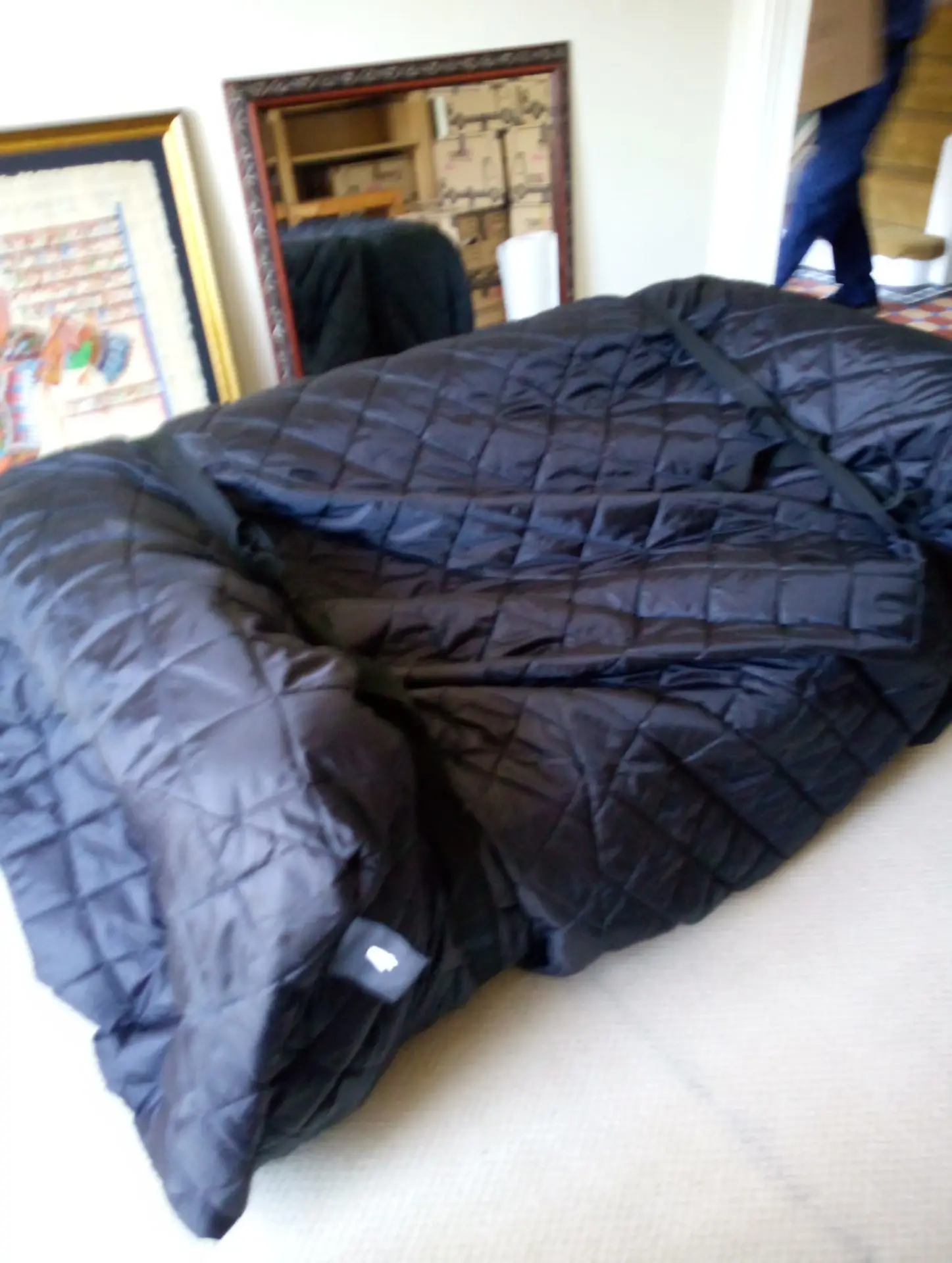
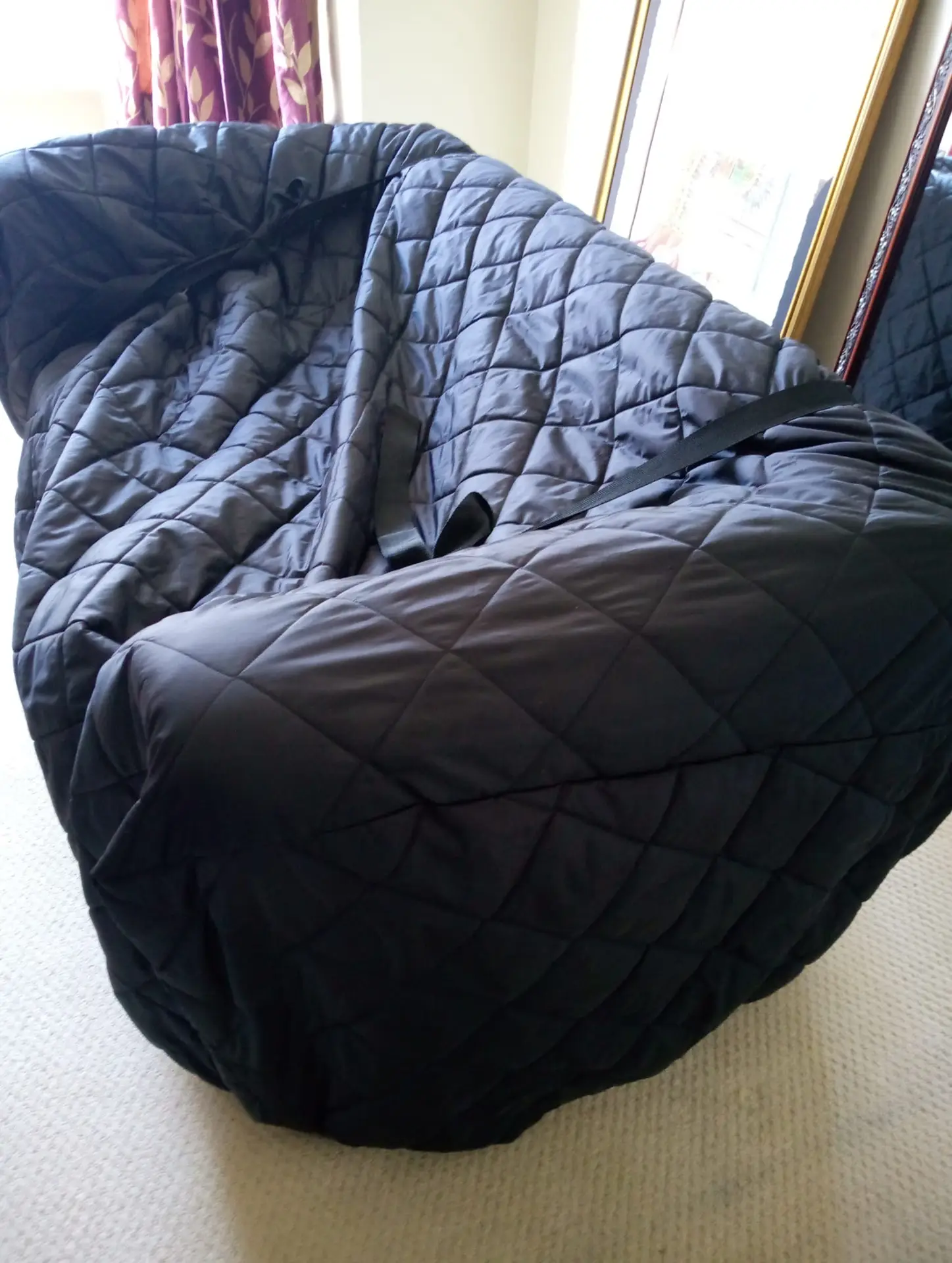
Use purpose-made furniture covers or heavy-duty stretch wrap to protect the fabric before the sofa leaves the room. Wrap legs separately in bubble wrap or corrugated card and tape them in place. If the sofa has removable feet or legs, take them off and pack them in a labelled bag.
For leather sofas, avoid stretch wrap directly on the material – it can leave marks in warm conditions. Use a soft blanket or furniture pad underneath, then secure with wrap over the top.
Mattresses and beds
Mattresses pick up dirt, moisture, and scuffs extremely easily. A mattress bag or cover is not optional – it is the single most cost-effective piece of protection in the whole move.
Bed frames should be fully dismantled before loading. Keep all bolts, screws, and fittings in a clearly labelled bag taped to the frame. Slats should be bundled and wrapped together. Headboards with fabric panels need the same padding as sofas – bubble wrap on corners, soft protection on the face.
Tables and desks
Table legs are the first casualty of a badly loaded van. If a table cannot be fully dismantled, wrap each leg individually and tape padding around corners and edges.
Glass table tops should always travel separately from the base, wrapped in bubble wrap and packed upright rather than flat. Flat glass is far more likely to break under load.
For solid wood tables, use moving blankets over the surface and secure them tightly. Do not leave bare wood resting against metal van racking.
Wardrobes and cabinets
Large wardrobes are best fully dismantled – panels, doors, and carcass packed separately. This protects the furniture and often makes the whole move faster.
If dismantling is not possible, remove all doors and pack them flat with padding between each panel. Tape a blanket over the carcass and use bubble wrap on any protruding handles or hinges.
For cabinets with glass doors or shelving, remove the shelves and wrap them individually. Secure the doors closed with packing tape (over a blanket – not directly on the surface, which can lift paint or veneer).
Fragile or antique furniture
Antique and fragile pieces need individual attention that a standard removals process cannot always provide. If you have items in this category, tell your adviser during the survey and request a professional packing service.
For antiques, the risks of DIY wrapping often outweigh the savings. Incorrect materials – particularly stretch wrap applied directly to gilded or lacquered surfaces – can cause irreversible damage. Purpose-made acid-free tissue and professional furniture pads are the right tools.
Marble and stone-topped furniture should always travel flat with full surface protection and be loaded last so nothing rests against them.
The Role of Protective Covers and Packing Materials
Professional removals teams use a different range of materials to what most people pick up from a DIY shop. Knowing what each one does helps you ask the right questions.
| Material | What it protects against | Best for |
| Furniture pads / moving blankets | Scratches, scuffs, surface marks | Sofas, wardrobes, tables, wooden items |
| Mattress bags | Dirt, moisture, tears | All mattresses and divan bases |
| Bubble wrap | Impact, corner damage | Glass, antiques, carved detail |
| Corrugated card | Abrasion between packed surfaces | Table legs, chair legs, stacked panels |
| Stretch wrap | Keeping covers in place, securing moving parts | Over blankets on upholstery and wood |
| Defenda Guard covers | Full-piece furniture protection | Sofas, armchairs, larger pieces |
At Alltime Removals, we carry all of these materials on every job. Our packing materials supply service also means you can order boxes, bubble wrap, tape, and specialist materials in advance if you are packing yourself.
Common Furniture Protection Mistakes
- Wrapping stretch film directly onto bare wood or fabric – it bonds to surfaces in heat and can cause marks or surface damage. Always put a blanket or pad underneath first.
- Leaving drawer contents inside – drawers slide open during transit and the added weight can crack joints or split panels. Empty drawers and tape or remove them.
- Stacking soft furnishings under heavy items – sofas and mattresses should not have heavy boxes placed on top during transit.
- Not dismantling when you should – a wardrobe that could have come apart in ten minutes can cause half an hour of problems at a staircase. If in doubt, ask your adviser during the survey.
- Trusting bubble wrap alone on corners – corners need rigid protection (card, foam corner guards) as well as padding. Bubble wrap compresses under impact.
When to Use a Professional Packing Service
DIY furniture protection works well for straightforward items. But there are situations where it makes more sense to hand it over to the team.
Use a professional packing service when:
- You have antiques, artwork, or high-value furniture where the replacement cost is significant
- You are moving a large property and the volume of materials needed is substantial
- You want the job done the day before the move so moving day itself is purely a logistics exercise
- You have items with complex shapes, glass panels, or fragile surfaces that need specialist handling
- You simply do not have the time or the physical capacity to pack a full property safely
Our packing team works to a room-by-room, labelled system so unpacking at the new property is straightforward. We bring all materials with us and can handle anything from breakables only up to a full pack-and-unpack service including material disposal.
For moves in and around Dunstable, Luton, Leighton Buzzard, and Milton Keynes, our team can visit for a free survey and advise on the right level of packing support for your specific property and furniture.
FAQs
Our team brings all protective covers, blankets, and wrapping materials on every job as standard. You do not need to source anything yourself. If you are packing yourself ahead of the move, we can supply materials separately – contact us to arrange a delivery or collection from our Dunstable depot.
For most homes, starting two to three weeks before the move date gives you enough time to work room by room without rushing. Furniture that you are still using daily – beds, sofas, dining tables – should be the last to be wrapped, usually the day before or morning of the move. Our packing team, when booked, typically works the full day before the removal.
Alltime Removals carries goods-in-transit insurance as standard. If you have high-value antiques or items with significant sentimental value, mention them during your survey so we can advise on the right handling and, where needed, specialist materials. We can also advise on whether additional cover is worth arranging for particularly valuable pieces.
Our team can handle furniture dismantling and reassembly as part of your removal. This is particularly useful for large wardrobes, bed frames, and American-style furniture that does not fit through standard UK doorways. Let your adviser know during the survey and it will be factored into the job plan.
Need a hand?
Planning a move and want to make sure your furniture arrives in the same condition it left? Get a quote from Alltime Removals or call the team to arrange a free home survey. We have been looking after moves across Bedfordshire and beyond since 2002 – nothing is a problem for us.
{ “@context”: “https://schema.org”, “@graph”: [ { “@type”: “BlogPosting”, “@id”: “https://alltimeremovals.co.uk/professional-movers-guide-furniture-protection/#article”, “headline”: “A Professional Mover’s Guide to Furniture Protection”, “description”: “Learn how professional removals teams protect sofas, beds, wardrobes and antiques during a move. Practical tips from Alltime Removals – get a quote today.”, “url”: “https://alltimeremovals.co.uk/professional-movers-guide-furniture-protection/”, “datePublished”: “YYYY-MM-DD”, “dateModified”: “YYYY-MM-DD”, “author”: { “@type”: “Organization”, “name”: “Alltime Removals & Storage”, “url”: “https://alltimeremovals.co.uk/” }, “publisher”: { “@type”: “Organization”, “name”: “Alltime Removals & Storage”, “url”: “https://alltimeremovals.co.uk/”, “logo”: { “@type”: “ImageObject”, “url”: “https://alltimeremovals.co.uk/INSERT-LOGO-URL” } }, “image”: { “@type”: “ImageObject”, “url”: “https://alltimeremovals.co.uk/wp-content/uploads/professional-movers-guide-furniture-protection-featured.jpg”, “alt”: “Professional removals team wrapping sofa in protective cover before loading into van” }, “mainEntityOfPage”: { “@type”: “WebPage”, “@id”: “https://alltimeremovals.co.uk/professional-movers-guide-furniture-protection/” } }, { “@type”: “FAQPage”, “@id”: “https://alltimeremovals.co.uk/professional-movers-guide-furniture-protection/#faq”, “mainEntity”: [ { “@type”: “Question”, “name”: “Do I need to buy furniture covers myself, or does Alltime Removals supply them?”, “acceptedAnswer”: { “@type”: “Answer”, “text”: “Our team brings all protective covers, blankets, and wrapping materials on every job as standard. You do not need to source anything yourself. If you are packing yourself ahead of the move, we can supply materials separately – contact us to arrange a delivery or collection from our Dunstable depot.” } }, { “@type”: “Question”, “name”: “How early before moving day should I start protecting and packing furniture?”, “acceptedAnswer”: { “@type”: “Answer”, “text”: “For most homes, starting two to three weeks before the move date gives you enough time to work room by room without rushing. Furniture that you are still using daily – beds, sofas, dining tables – should be the last to be wrapped, usually the day before or morning of the move. Our packing team, when booked, typically works the full day before the removal.” } }, { “@type”: “Question”, “name”: “Is furniture covered by insurance during the move?”, “acceptedAnswer”: { “@type”: “Answer”, “text”: “Alltime Removals carries goods-in-transit insurance as standard. If you have high-value antiques or items with significant sentimental value, mention them during your survey so we can advise on the right handling and, where needed, specialist materials. We can also advise on whether additional cover is worth arranging for particularly valuable pieces.” } }, { “@type”: “Question”, “name”: “What if a piece of furniture is too big to move in one piece?”, “acceptedAnswer”: { “@type”: “Answer”, “text”: “Our team can handle furniture dismantling and reassembly as part of your removal. This is particularly useful for large wardrobes, bed frames, and American-style furniture that does not fit through standard UK doorways. Let your adviser know during the survey and it will be factored into the job plan.” } } ] } ] }