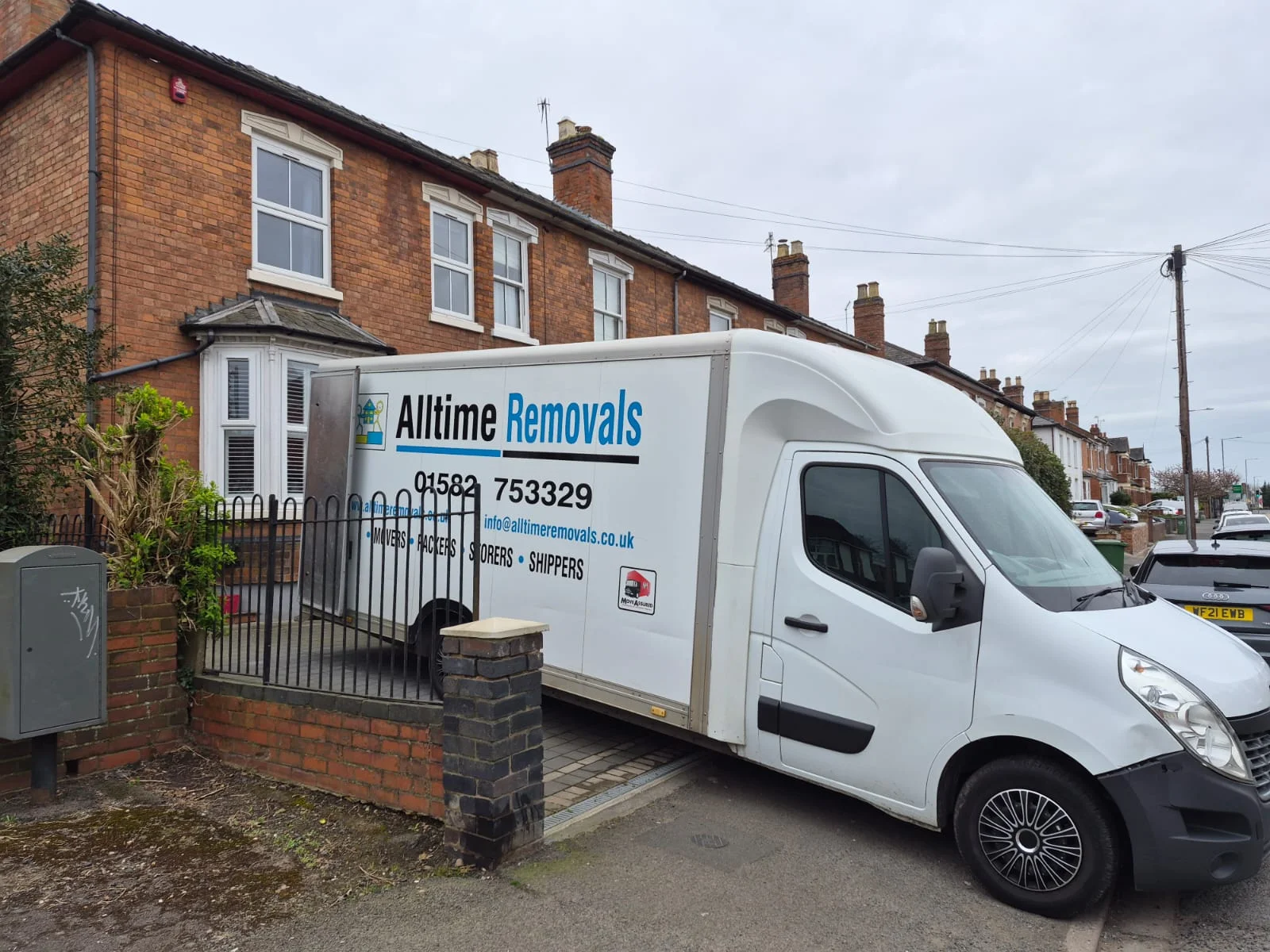
A downsizing move is rarely just a smaller house. It is a pile of decisions about a lifetime of belongings, often layered with strong feelings, and usually with grandchildren, paperwork, solicitors and a clearance van all asking for attention in the same week. Done well, it is one of the most freeing moves a family ever makes. Done in a rush, it is one of the most stressful. The difference is planning.
We are a family removals and storage firm based at Nimbus Park in Houghton Regis, trading since 2002. A meaningful share of our work each year is helping people in their sixties, seventies and eighties move out of a long-held family home into a bungalow, a flat, a retirement development or in with relatives. The advice that follows is the same advice we walk every customer through during a survey visit, written out in full so you can use it whether you book us or not. For more moving guides, see our moving hints and tips.
Why People Downsize
Most later-life moves we handle in Bedfordshire and the Home Counties come down to one of five reasons, sometimes two or three at once.
The garden is too much. A four-bed family home in Dunstable or Leighton Buzzard with a long lawn and three flower beds was a joy at fifty and a job by seventy.
The stairs have stopped working. A bedroom on the first floor and a bathroom on the second is a daily strain after a hip operation, a knee replacement, or simply a few harder winters.
The bills are too high. A larger house carries a larger council tax band, larger heating costs and larger maintenance jobs. A smaller property frees up income at a time when many people would rather spend on family, travel and care than on a boiler.
The family has moved on. The children have houses of their own and the spare bedrooms are used three weekends a year. Releasing the equity in a larger home funds the rest of life.
A change in health or in a partner. The hardest reason, and the one that needs the most patience. Bereavement, a diagnosis, or a move to be closer to a daughter or son often comes with a tighter timeline than anyone wants.
None of those reasons require a rushed move. The earlier you start, the more choice you have about where, when and how. If a downsize feels likely in the next two years, start the conversation now.
How to Plan a Downsizing Move
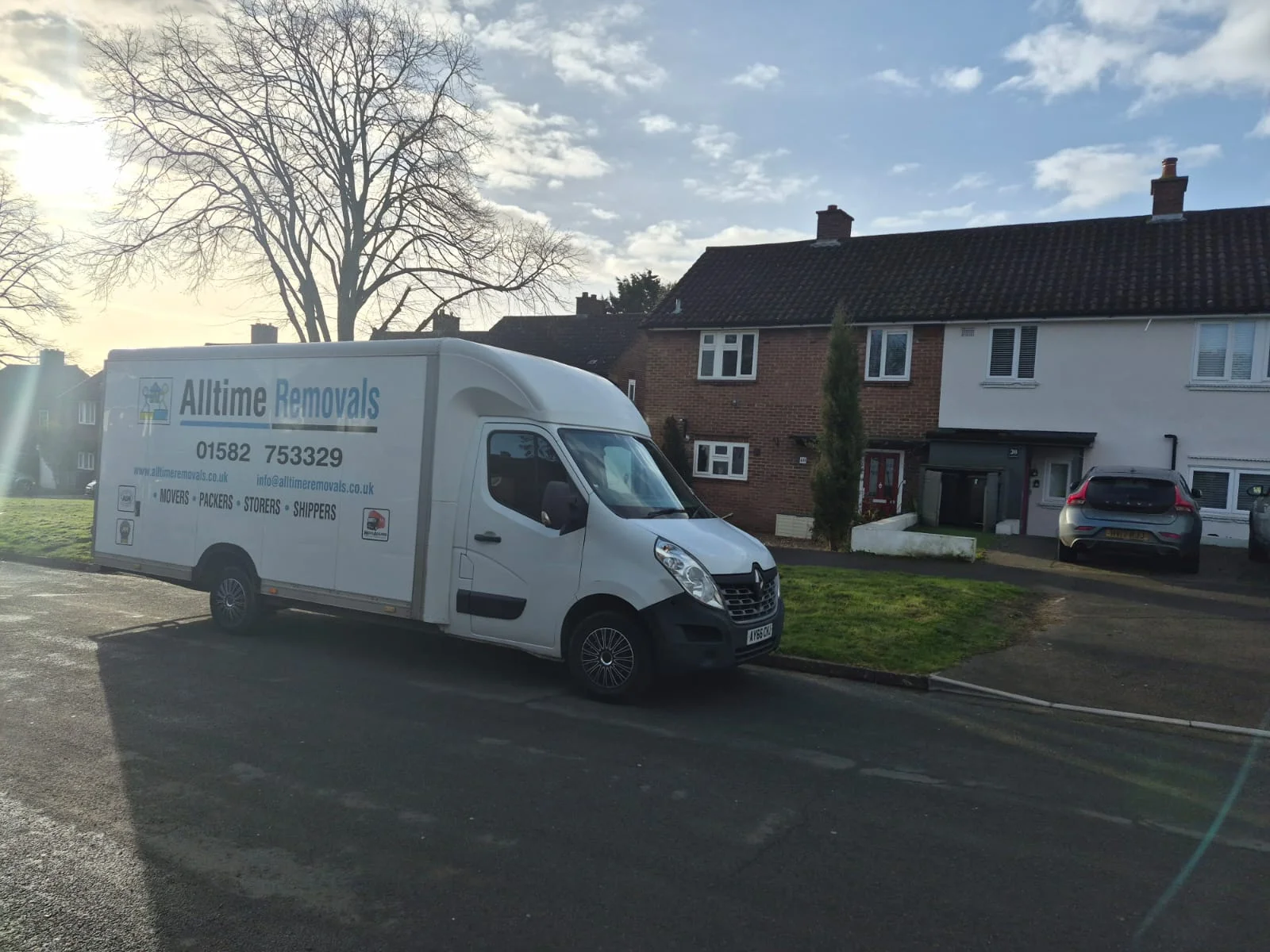
A good downsizing plan runs in three layers, and they sit on top of each other rather than running in sequence.
The property layer. Decide on the type of home before you fall in love with a specific one. A bungalow, a flat with a lift, a retirement development with a warden, a granny annexe with family. Each carries different costs and different access. We have moved customers into all four in the LU5 and LU7 corridor in the last five years, and the practical detail of each is very different on the day.
The money layer. Talk to a solicitor and a financial adviser early. Stamp duty, equity release, downsizing discounts, retirement scheme fees and inheritance plans all interact. Going in with the numbers settled saves a lot of late-night kitchen-table maths.
The belongings layer. Covered in full below. This is the part most families underestimate by a long way. A family home of thirty or forty years usually holds three to five times the volume that fits in a two-bed bungalow.
Build a timeline that runs at least twelve weeks for an unforced move and at least six for a forced one. Block out a weekend a fortnight for the sorting work. Tell your removals firm the rough date as soon as you have one. Our team will hold a slot informally and only firm it up once you have an exchange in hand. A tailored removals quote from a survey visit gives you a number to plan around even before contracts move.
Deciding What to Keep, Store, Donate or Dispose Of
This is the heart of the move, and the part where families most often get stuck. The four-pile method works.
Keep. Anything you use weekly, anything that fits the new floor plan, and a smaller, deliberate set of sentimental items. Measure the new lounge, the new bedroom and the new kitchen first, on paper, then sort to fit. A wardrobe that is too tall for the new bedroom is a future problem, not a current solution.
Store. Anything you cannot decide on right now, plus anything the family wants but cannot collect for a few weeks or months. Our storage solutions at the Houghton Regis depot are individually alarmed, available in sizes from a few cubic feet to a full container load, with 24-hour access seven days a week. Many downsizing customers store for the first three to six months while they live with the new layout, then revisit the boxes once the new home feels settled.
Donate. Furniture in good condition, working appliances, books, kitchen items, clothes and linen. The British Heart Foundation, the Salvation Army, Sue Ryder and several local hospices in Bedfordshire and Buckinghamshire run free collection services for larger items. Book the collection two to three weeks before the move so the items leave the house before packing day.
Dispose. Broken items, tired soft furnishings, old paint, garden chemicals, anything past use. Bedfordshire Council runs household waste recycling at Thorn Turn near Houghton Regis and at Rackley Lane in Leighton Buzzard. Larger volumes are quicker through a clearance service. Our clearance and disposal service can take a full house clearance in one visit with certified disposal, and that is often the kindest option after a bereavement when family do not want to keep returning to the house.
A practical tip from our crews: photograph anything sentimental that you cannot keep before it leaves the house. The photo carries the memory at a fraction of the floor space.
Packing for a Smaller Home
Packing for a downsize is different to packing for a standard move. The boxes that arrive at the new home need to fit a smaller layout, and they need to be unpacked by someone who is rarely in a hurry to live among cardboard for a fortnight.
Pack room by room, not category by category. Label each box with the room it came from in the old house and the room it is going to in the new one. Mark fragile boxes with red tape on three sides so the crew can see them from any angle in the lorry. Keep a master list, on paper or on a phone, of which boxes contain things you will want in the first week.
Pack a settling-in box for the first three days. Kettle, mugs, tea, coffee, biscuits, toilet roll, hand soap, two towels per person, phone chargers, a change of clothes, prescription medication, glasses, hearing aid batteries, a small toolkit, and the contact details for your solicitor, your GP and the removals firm on a printed sheet. Keep the box in your own car. Mark it clearly. The settling-in box is the single most useful thing in a downsizing move because it means you can make a cup of tea and sleep in a clean bed without opening a single removal box.
If the sorting and packing feels too big for the family, our professional packing service runs from breakables only up to a full pack and unpack with material disposal. The team is patient, methodical and used to working alongside customers who want to direct what goes in which box. For many of our older customers, paying the team to pack the kitchen and the bedrooms while the family handles the loft and the garage is the most cost-effective use of everyone’s time.
How Storage Can Help During a Downsizing Move
Storage is the secret weapon in most downsizing moves we handle. It buys time, and time is the thing families need most.
A typical pattern looks like this. The exchange completes faster than expected. The new home is ready, but a granddaughter has offered to take the dining set and cannot collect for a month. A son lives in Milton Keynes and wants the workshop tools but is between houses himself. A church has agreed to take the piano but the move-in date for them is six weeks away. Without storage, the choice is rushed disposal or a holding pattern that delays the move. With storage, those decisions land calmly over the course of a season.
Our depot at Houghton Regis offers individually alarmed units priced by cubic feet, with no minimum size and no minimum term. 24-hour access seven days a week means a family member can collect a chair on a Saturday evening without ringing ahead. Long or short-term rental works for both the few-weeks scenario and the few-years one, and most of our downsizing customers end up keeping a small unit for longer than they expected at the start.
There is also a quieter benefit. Storing rather than disposing keeps the door open on items that turn out to matter more than expected once the new home is lived in. We have never had a customer ring up regretting that they kept their grandfather’s writing desk for an extra six months.
Making Moving Day Less Stressful
A calm moving day starts in the week before. Three rules carry the most weight for later-life moves in particular.
Confirm access at both ends in writing. Parking in older streets in Dunstable, Leighton Buzzard or central Luton can be tight. A parking suspension typically takes three to five working days through the council. Lift bookings for flats need to be arranged with the building manager, with a window long enough for loading and unloading. If anyone in the household uses a stairlift or a wheelchair, walk the route from the lorry to the front door yourself a week before, in the shoes you will be wearing on the day.
Travel with a companion. A son, a daughter, a neighbour, a friend. Someone whose only job on the day is to keep an eye on you, the dog and the settling-in box. Our crews are warm and used to working alongside customers, but the day is long, and a familiar face nearby is worth more than another pair of hands.
Eat and drink. A long day on adrenaline alone is the most common reason a calm move turns ragged by mid-afternoon. Set a phone alarm at eleven and at half one. Tea, a sandwich, a sit-down for ten minutes. The crew will not stop, but you should.
If completion runs late, do not wait at the new house. We are happy to hold the load overnight in a secure depot rather than push a tired delivery into the dark. If the keys are not ready by four, ring the foreman and discuss the storage option calmly. It is often the right call for a later-life move.
Final Tips for a Smooth Later-Life Move
Five small habits that make the biggest difference, gathered over more than two decades of survey visits.
Start the conversation with the family early. Children, siblings and old friends are part of a downsize whether anyone invites them or not. The moves that go well usually have one weekend, six months out, where everyone sits at the kitchen table and goes through the rough plan together.
Photograph the old home before it empties. Every room, every angle. Customers tell us afterwards that the photographs become as valued as the items themselves.
Update your address everywhere in one sitting. Bank, GP, hospital, pension provider, energy supplier, council, electoral roll, DVLA, friends and family. A printed checklist on the kitchen worktop in the first week of the new home stops anything slipping. Our guide on the essential address change checklist when moving house walks through every organisation that needs telling. (Update this link once that post is live.)
Plan the first four hours in the new home before you leave the old one. Where the kettle goes, which room gets unpacked first, where the dog will sleep, which armchair faces the window. A small set of decisions made calmly in advance is worth ten made tired on the day.
Book a survey visit, even if you are months away from a date. Walking the rooms with an experienced surveyor often shifts the plan in useful ways and gives you a number to plan the rest of the move around. Get in touch with our team and we will come out at a time that suits you.
A downsizing move is the start of the next chapter. Done well, it lightens the load and frees up the years that matter most. Our team has helped Bedfordshire families through hundreds of these moves. We would be glad to help with yours.
Get a free, tailored downsizing quote
Frequently Asked Questions
Twelve weeks is a comfortable runway for an unforced move and six weeks is workable for a forced one. The sorting and donating work is the part that takes the most calendar time, so the earlier you start that, the calmer the final fortnight feels.
Yes. Our professional packing service runs from breakables only up to a full pack and unpack with material disposal. Many downsizing customers ask us to pack the kitchen and the bedrooms while family handles the loft and the garage. We are patient and used to directing alongside the customer.
Our Simple Storage Solutions at the Houghton Regis depot can hold a full move or a part-load overnight, over a weekend, or for as long as you need. Units are individually alarmed, priced by cubic feet, with 24 hour access seven days a week. Most downsizing customers end up keeping a small unit for the first three to six months while they settle in.
Yes. Our team regularly handles downsizing moves across Hertfordshire, Buckinghamshire and into north-west London. Long-distance and international moves are also standard work. A survey visit gives the most accurate quote, and we travel for those across the wider region as a matter of course.
There are three good options. Donate furniture and goods in working condition through hospice and charity collection services. Take broken or worn items to Bedfordshire Council recycling at Thorn Turn or Rackley Lane. Or book our rubbish clearance crew to take a full house clearance in one visit with certified disposal. After a bereavement, the clearance route is often the kindest for the family.
It depends on the volume of belongings, the distance between properties, the access at both ends, and whether you need packing or storage alongside the move. Our adviser visits the property, takes a detailed inventory, and prices the job to fit a typical eight to ten hour day. The quote is honest and tailored, never off-the-shelf.