Buying your first home is exciting. Moving into it is where the surprises start. Most first-time buyers have rented before, so they have moved a flat full of things in a hire van on a Saturday. A full house move with a completion date, a solicitor and a chain is a different job altogether, and nobody hands you a manual.
This guide is that manual. We have moved first-time buyers across Bedfordshire since 2002, and the same questions come up every time. What does it actually cost? What do I do in the weeks before? What happens on the day itself? Work through the steps below and your first move will feel a lot less daunting.
What First-Time Buyers Need to Know Before Moving
The biggest shock for most first-time buyers is how much happens after the offer is accepted. Buying a home is not one event, it is a chain of steps that all have to line up.
A few things worth knowing from the start:
- Exchange and completion are two different days. Exchange is when the deal becomes legally binding. Completion is when the money moves and you get the keys. They can be days or weeks apart.
- You usually cannot get the keys until the afternoon. Funds often clear mid-afternoon on completion day, so booking a removals crew for 8am may mean waiting around.
- Your date is not as fixed as it feels. Chains slip. A delay further down the line can push your date back at short notice. Our guide on how to move during a chain or completion delay explains how to plan for this.
- You will need to tell a lot of people your new address. More on that later, and our address change checklist covers every organisation that needs to know.
The single best thing you can do is start planning early. The earlier you begin, the calmer the final week feels.
Budgeting for the Move
First-time buyers often spend everything on the deposit and forget the move itself costs money too. Build these into your budget so nothing catches you out:
- Removals. The cost depends on how much you are moving, the access at both ends, and the distance. A survey-led firm visits, takes an inventory, and gives you a fixed price rather than a guess.
- Packing materials or a packing service. Boxes, tape and bubble wrap add up. You can buy materials or hand the whole job over with a packing service.
- Storage, if your dates do not line up. If you complete on your sale before you can move in, a short storage booking bridges the gap.
- The first-week essentials. Cleaning supplies, a few tools, light bulbs and food for the first few days.
- Setting up utilities and broadband. Some need a connection fee or a few weeks’ notice.
Get a clear removals figure early so you can plan the rest around it. The quickest way is to request a quote once your date looks likely.
What to Do in the Weeks Before Moving Day
The weeks before the move are when a calm move is won or lost. Here is a simple run of what to do and when.
Six weeks before
- Book your removals firm. Good crews fill up fast, especially on Fridays and month-end.
- Start sorting what you are taking and what you are not.
Four weeks before
- Begin packing the rooms you use least, like the loft, spare room or garage.
- Order packing materials if you are doing it yourself.
- Start telling people your new address, working through our address change checklist.
Two weeks before
- Confirm the date with your removals firm and solicitor.
- Arrange any parking for the van at both ends.
- Set up broadband and utilities for the new home.
The final week
- Pack everything except daily essentials.
- Run down the fridge and freezer.
- Confirm key collection arrangements.
For the wider picture, our moving tips and hints page covers the whole job from survey to settling in.
Packing Tips for First-Time Buyers
Packing is the part people underestimate most. A few simple habits make the unpack far easier.
- Pack room by room. Keep each room’s contents together and do not mix the kitchen with the bedroom.
- Label every box clearly. Write the room it belongs in and a quick note of the contents on at least two sides.
- Do not overload boxes. Heavy items like books go in small boxes. Light, bulky items like bedding go in big ones.
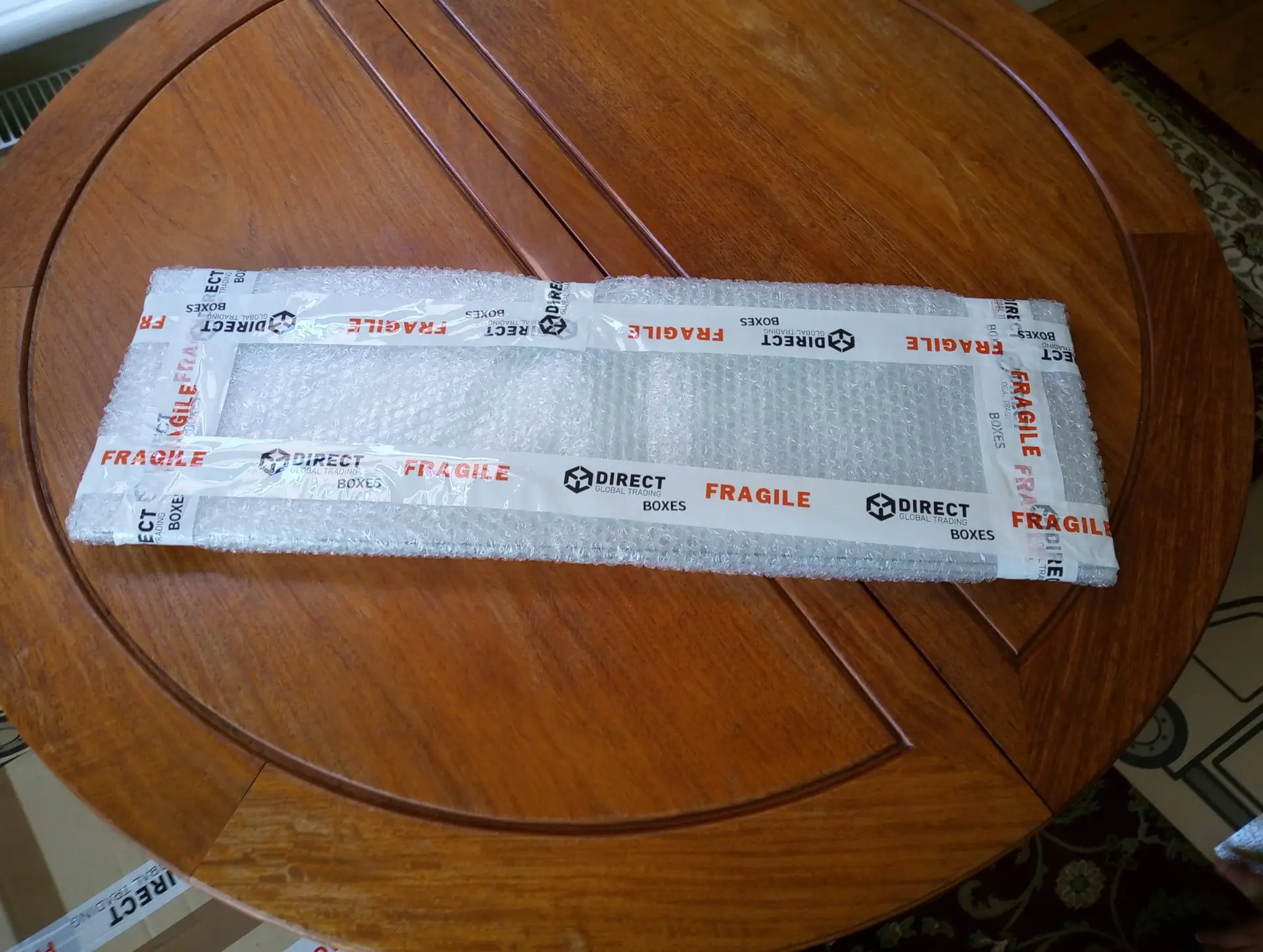
- Wrap fragile items properly. Glassware, plates and ornaments need bubble wrap or paper, not just thrown in loose. Our furniture protection guide covers how the professionals do it.
- Pack an essentials box. Kettle, mugs, tea, phone charger, toilet roll, a change of clothes and any medication. Keep it with you, not in the van.
If packing feels like too much on top of everything else, our team can pack the fragile items only or the whole house. It is one less thing to think about in a busy month.
What Happens on Moving Day
Knowing the shape of the day takes a lot of the worry out of it. Here is roughly how it goes.
Morning. The crew arrives at the agreed time and loads the van. If you have packed well and labelled everything, this part moves quickly. Keep your essentials box and any valuables with you in the car.
Midday. You wait for completion to be confirmed. This is the part first-time buyers find strange. You may be fully loaded and ready before you legally own the new home. Funds usually clear in the afternoon.
Afternoon. Once your solicitor confirms completion and you have the keys, the crew drives to the new home and unloads. Tell them which box goes in which room as they come off the van.
Evening. Beds are reassembled first so you have somewhere to sleep. The aim is one working room, usually the bedroom and a working kettle, by the end of the day. You do not have to unpack everything at once.
A good crew handles the heavy lifting and the logistics. Your job is mainly to direct where things go and keep everyone fed and watered.
Common First-Time Buyer Moving Mistakes
These are the slip-ups we see most often, and they are all easy to avoid.
- Booking the van for 8am. Keys rarely arrive that early. A flexible start saves you paying a crew to wait.
- Leaving packing to the last night. It always takes longer than you think. Start early.
- Forgetting to tell people the new address. A missed bank or DVLA update causes real headaches later.
- Not budgeting for the move itself. The deposit is not the only cost. See the budgeting section above.
- Underestimating stress. Moving is one of life’s most stressful events. Our guide on the most stressful parts of moving house shows where the pressure builds and how to ease it.
- Choosing the cheapest van and hoping. A proper survey-led firm costs less in the end than a damaged sofa or a wasted day.
Final Checklist Before You Move In
Run through this short list in the last day or two before completion:
- Removals firm confirmed and access sorted at both ends
- Essentials box packed and kept with you
- Meter readings noted at the old home
- New address updated with banks, DVLA, GP and key accounts
- Broadband and utilities set up for the new home
- Keys collection arrangement confirmed with the estate agent or solicitor
- A plan for which room gets unpacked first
- Phone charged and solicitor’s number to hand on the day
Tick these off and you are ready. Your first home move is a big step, but with a clear plan it is a manageable one.
Our team has helped hundreds of first-time buyers across Bedfordshire move into their first home. Whether you want a full home removal, a hand with the packing, or storage to bridge a gap, we will build the plan around you.
Get in touch with our team or request a quote to get started.
Get a free first-time buyer moving quote
Frequently Asked Questions
Book as soon as your completion date looks likely, ideally four to six weeks ahead. Good crews fill up fast, especially on Fridays and at month-end. Tell the firm if your date might still move, as a survey-led company will hold a slot rather than locking you into a fixed booking.
It depends on how much you are moving, the access at both properties, the distance, and whether you need packing or storage. There is no fixed rate, which is why a proper firm visits, takes an inventory and gives you a written quote. Budget for the move itself on top of your deposit and legal fees.
This is normal. Funds often clear in the afternoon, so you may be loaded and ready before you can collect the keys. A good removals firm plans for this with a flexible start time and stays in contact with your chain on the day.
Only if your dates do not line up, or if your new home needs work before everything goes in. If you have to leave your old place before you can move into the new one, a short storage booking bridges the gap. Many first-time buyers in a chain find this useful.
Both work. Packing yourself saves money but takes time, and fragile items are where damage most often happens. A packing service takes the job off your hands, from the breakables only up to the whole house. Choose based on your budget and how much time you have before the move.